Steven W. Giovinco

Connection Between Online Reputation Management and ChatGPT: What You Need to Know

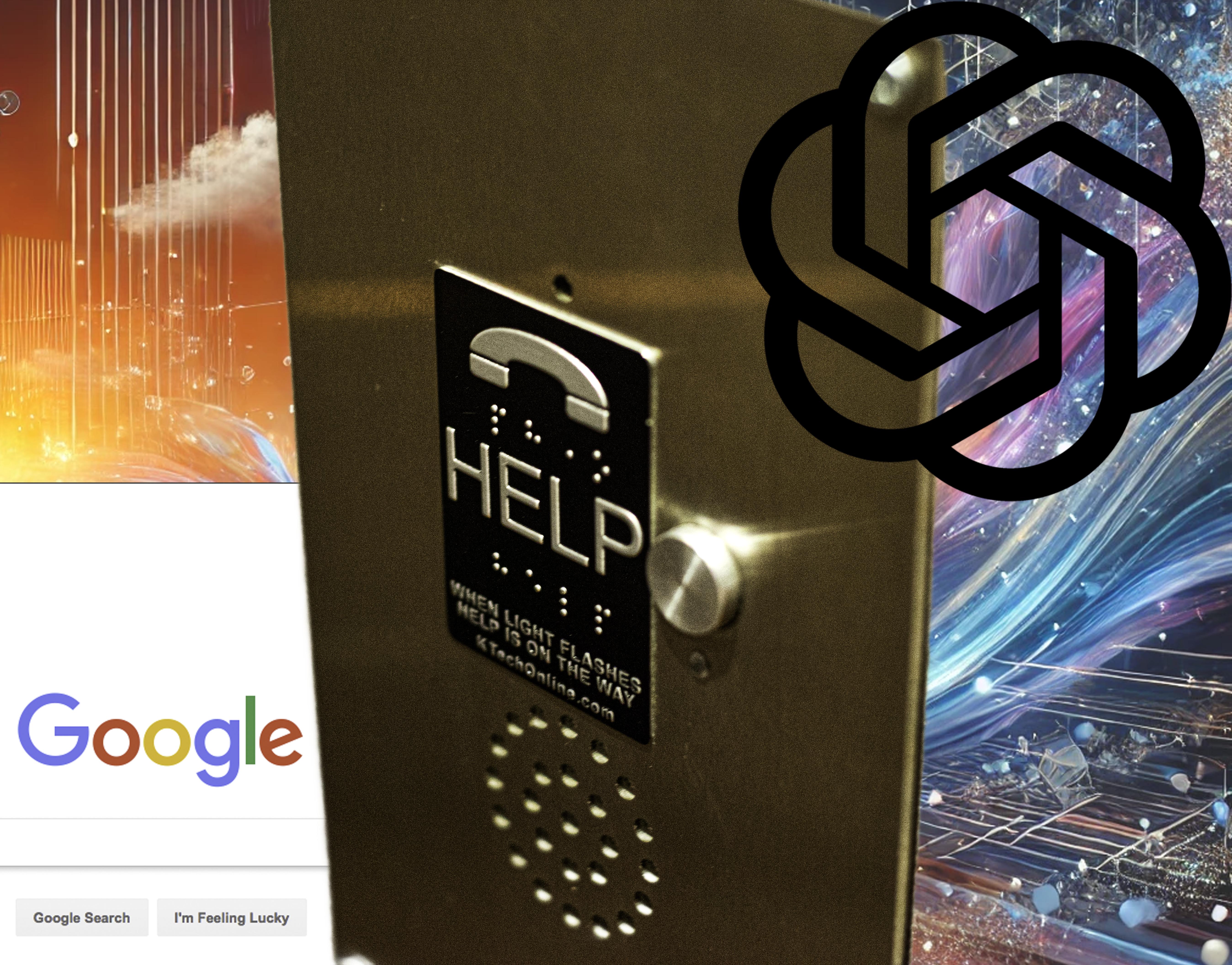
Summary New Frontier: Online Reputation Management (ORM) is now directly linked to Generative AI, as tools like ChatGPT pull data from the web, often amplifying misinformation. Audience Focus: Designed for CEOs, business leaders, and organizations managing reputational risks in an AI-driven world. Proactive Approach: By combining ORM with AI refinement, organizations can stay ahead of misinformation, protect credibility, and build trust. Empowering Innovation: Strengthening web presence and refining AI systems ensures more accurate and reliable outputs while empowering businesses and communities. Why It Matters: This innovative strategy bridges ORM with AI solutions to address challenges faster, smarter, and with a forward-looking perspective.   Crucial Link Between Online Reputation Management and Generative AI Generative AI tools like ChatGPT and Gemini are transforming how information is created and shared, but they also reveal a crucial connection to online reputation management (ORM). Importantly, more people are beginning to turn away Google as the sole research tool and are using ChatGPT and similar AI systems. A significant source of AI misinformation often stems from incorrect or false information that is already present on the internet. This makes sense—many tools, like ChatGPT, rely on search engines such as Bing and Google for real-time data. Consequently, these tools can unintentionally amplify false narratives, harm reputations, and disproportionately impact vulnerable communities. In essence, a new and critical link has emerged between ORM and AI, highlighting the need for proactive strategies to manage misinformation at its source. How ChatGPT Challenges Google—and Why It Matters to You ChatGPT is quickly positioning itself as a competitor to Google. Instead of providing a list of links, it delivers direct, conversational answers tailored to users’ questions, making it a time-saving and intuitive alternative (I personally hardly use Google anymore, and I suspect others are doing the same). This shift raises important questions about how AI impacts everyday life. For the average user, it’s a reminder to think critically about AI’s growing influence and the importance of ensuring accurate online content. Who This Is For This is designed for CEOs, business leaders, and organizations navigating the challenges of AI-driven misinformation and online reputation risks. Whether managing a brand, safeguarding executive reputations, or addressing public trust, these strategies offer solutions to protect credibility, suppress false narratives, and build a strong, trustworthy digital presence across online searches as well as generative AI platforms. Key Insights from My Whitepaper on Combating AI Misinformation My recent 50 page whitepaper, \”Managing GenAI LLM Misinformation: Comprehensive Strategies for Building Trust in the AI Era,\” delves into this critical issue. While it awaits academic publication, I’ve summarized key insights into a blog post and presentation to make the ideas accessible. Why AI-Generated Misinformation Matters Unlike traditional misinformation, AI-generated falsehoods spread quickly and are harder to detect. Misleading outputs—ranging from fabricated stories to biased content—erode trust, harm reputations, and perpetuate inequities. Whether it’s an individual or a business, misinformation can disrupt lives and operations. A New Approach: Combining ORM with AI Refinement To combat these challenges, I have developed a cutting-edge approach that blends online reputation management with strategies to refine AI outputs. By strengthening an online presence with accurate, engaging content and integrating human feedback into AI systems, it’s possible to: Suppress false narratives: Push down misinformation in search engines and ChatGPT responses. Restore trust: Build a robust digital presence to counteract inaccuracies. Empower communities: Equip underrepresented groups to amplify their voices online. Use ORM to Build Trust Online The solutions focus on creating a strong, credible online presence to combat misinformation and build trust. This begins with developing a strategy, identifying false narratives, assessing their impact, and planning targeted content. Next, building and strengthening platforms such as LinkedIn, Wikipedia, Reddit, ensures accurate, engaging profiles across websites and social media. Key to this is publishing high-quality content such as blogs, videos, and infographics frequently that directly address inaccuracies and showcase expertise. Engaging authentically with key stakeholders like influencers and online communities amplifies credibility and visibility. Finally, continuous monitoring and adaptation ensures ongoing suppression of misinformation and alignment with evolving trends. AI Solutions to Combat Misinformation While specific details are in constant flux, and differ for each tool, these steps generally address AI misinformation. First, identify key inaccuracies by analyzing patterns of false or biased outputs. Second, curate high-quality datasets to ensure reliable and diverse training data. Third, leverage human feedback to review and correct AI-generated responses, improving accuracy and inclusivity. Fourth, monitor and audit AI outputs regularly to track performance and address errors. Finally, adapt AI systems proactively, staying updated with trends and user needs to maintain relevance and reliability. These steps create a feedback loop that ensures AI systems produce more accurate and trustworthy content. Explore the Full Insights To dive deeper into these solutions, check out: Presentation: A quick overview of actionable ORM strategies. Blog Post: A detailed exploration of the intersection of AI and reputation management. Bottom Line Online reputation management is important anytime, but as people shift to using AI tools, it becomes ever more crucial. Combating misinformation requires a proactive approach that blends ORM with AI solutions. By strengthening online presence and refining AI systems to ensure accurate and inclusive outputs, organizations can suppress false narratives and rebuild trust. Together, these strategies empower individuals and businesses to navigate the challenges of the AI era while fostering a more responsible and equitable digital landscape. Contact/Questions If you’re grappling with online reputation challenges—or are curious about how AI and ORM are reshaping the digital landscape—let’s connect. I, Steven W. Giovinco and Recover Reputation would love to share more insights and discuss how these strategies could address your specific needs.

Connection Between Online Reputation Management and ChatGPT: What You Need to Know Read More »

online reputation management & generative ai misinformation presentation

Online Reputation Management & Generative AI Misinformation Presentation

ORM and GenAI Misinformation The rise of Generative AI tools like ChatGPT and Gemini has brought new opportunities—and challenges. AI misinformation created by AI is spreading faster than ever, causing reputational and financial harm to businesses, individuals, and communities. But a crucial aspect that many don’t realize is the interrelated, symbiotic relation between generative AI (GenAI) and online reputation management (ORM).  Online Reputation Management & Generative AI Misinformation from Recover Reputation This presentation covers both, in detail. Why It Matters: AI misinformation damages trust, reinforces biases, and affects decision-making. Vulnerable groups and public figures face amplified harm. Our Approach: Proactive online reputation management combined with iterative human feedback to refine AI systems. Strategies to suppress harmful narratives in search engines and AI outputs. Key Insights: 5 Steps to Build a Positive ORM Framework: Develop a strategy tailored to misinformation challenges. Build a robust online presence. Publish high-quality content (blogs, videos, case studies). Engage with audiences authentically. Continuously monitor and evolve your strategy. Case studies show how businesses and individuals restored trust in as little as 4–6 months. Contact Recover Reputation:See Recover Reputation’s presentation directly on SlideShare or for a deeper dive into combating AI misinformation and building trust through online reputation management, see a related post.

Online Reputation Management & Generative AI Misinformation Presentation Read More »

TikTok Banned then Restored: What It Means for Online Reputation Management

Executive Summary: TikTok Disruption: The temporary ban underscores the risks of platform dependence and the impact of regulatory changes. Increased Competition: Users shifted to alternatives like Instagram Reels and YouTube Shorts, intensifying competition. Evolving Content Expectations: TikTok set new standards for engaging short-form videos, influencing all platforms. Action Steps: Diversify content strategies, monitor competitors, and maintain flexibility to adapt to disruptions. Broader Lesson: Resilience and multi-platform presence are essential in an unpredictable digital landscape.   After a temporary ban and uncertainty, TikTok is now back in the U.S., but the issues surrounding its disruption remain relevant. Even if your business never relied on TikTok, the situation highlights how sudden changes to major platforms can impact online reputation. Note that it still could change days or months from now. Here’s why it matters and how to stay prepared.  A Return to TikTok: A Shifting Digital Landscape TikTok’s return doesn’t erase the concerns caused by its brief absence. Before the law calling for the Chinese parent company, ByteDance, to divest its U.S. operations, TikTok’s rise changed social media. Among other things, It gave businesses and creators a direct line to younger, highly engaged audiences. Its removal creates a vacuum in this space that ripples across industries, platforms, and consumer behavior. While TikTok’s restoration is good news for users, it should be a wake-up call about how vulnerable businesses and reputations are to platform disruptions. It also highlights the broader impact of uncertainty around government regulation.    Why the TikTok Disruption Still Matters More Competition as Users Reassess  Even with TikTok’s return, it’s time to explore alternative spaces. Such as Instagram Reels, YouTube Shorts, or emerging platforms. There might be a spike in activity on competing platforms, reshaping algorithms and user behavior. Also, those already using Instagram or YouTube may face greater competition for visibility and engagement. Content Creation Expectations Are ChangingTikTok set the standard for brief, dynamic, and visually engaging content. Some might now expect this type of media across other platforms. Even businesses that never used TikTok might need to adopt similar strategies to meet evolving audience preferences or risk appearing outdated. Impact on ORMTikTok videos often appeared in Google search results, driving traffic and visibility for certain topics or industries. The temporary ban opens questions about current reputation approaches. If your brand relies on TikTok-driven trends to amplify visibility, you’ll need to revisit or rebuild your online reputation with more diversiy. US Tech Is in Flux The TikTok ban is a stark example of how U.S. tech is in a state of flux, driven by regulatory decisions and geopolitical tensions. These shifts create uncertainty for businesses and individuals reliant on building their reputation using platforms, emphasizing the need to be flexible.   US Version of TikTok If or when a US version appears, it might not be the same as the previous TikTok. The original algorithm is limited because it was not designed or developed by the new owner. As a result, brands or businesses returning to a US version could face online reputation damage if the app does not function as expected, is limited by other regulations or might be open to other forms of manipulation.   Why the TikTok Disruption Still Matters In light of these changes, here are steps to safeguard your online reputation and adapt to this new reality: 1. Audit Your Online Presence Evaluate content  and strategy across all platforms. Be even more active in making excellent content, engaging with your niche audience and be mindful of areas where competitors might now be encroaching after the ban. Ensure branding and reputation align with current and new online trends. 2. Diversify Content Strategy If you’re not already leveraging short-form video content on platforms like Instagram or YouTube, now is the time to be active. Some, especially younger clients, expect dynamic, engaging visuals, regardless of whether TikTok is still active. 3. Leverage Trends on Other Platforms Stay on top of trending hashtags, challenges, and viral content on Instagram, YouTube, and emerging sites. Consistently engaging with popular trends will keep your reputation visible and relevant. 4. Monitor the Competition Your competitors are likely reacting to the TikTok ban, too. Keep an eye on how they’re reallocating resources and which platforms they prioritize. Use this information to refine your own strategy. 5. Be Flexible The TikTok ban is a reminder of how quickly the online reputation and platforms can change. Be ready to pivot to new changes to handle future disruptions, whether they stem from platform bans, algorithm updates, or sudden PR challenges. Looking Ahead: The Broader Implications of U.S. Tech Regulation TikTok’s temporary ban and subsequent restoration reveal the fragility of online equations, where government decisions can instantly reshape behavior and an online presence. Businesses need to remain vigilant, flexible, and proactive to protect their online reputation, regardless of platform-specific developments. Even if you’ve never touched TikTok, understanding its influence on audience behavior, content trends, and strategies is critical for protecting and enhancing your online reputation. By adapting quickly, maintaining a strong multi-platform presence, and creating high-quality content, businesses can thrive in a constantly evolving digital world. TikTok’s story serves as a reminder that while platforms may rise, fall, or face regulatory challenges, the key to success is resilience and innovation.

TikTok Banned then Restored: What It Means for Online Reputation Management Read More »

combating generative ai misinformation: strategies to build trust and using online reputation management and llm updates

The CEO\’s Playbook for a GenAI World: An Introduction to GenAI Reputation Management

Executive Summary The way customers and stakeholders seek information has fundamentally changed. They are shifting from asking Google for a list of links to asking AI models like ChatGPT and Gemini for a single, definitive answer. This shift renders traditional Online Reputation Management (ORM) by itself incomplete and creates an urgent new C-suite imperative: Generative AI Reputation Management.  This is the strategic new discipline that ensures factual accuracy and positive sentiment appears within the answers of generative AI Lange Language Models (LLM) platforms.  This guide provides a proven, three-part framework for navigating this new reality of AI-driven misinformation, and shapes how new technology sees your brand. An Introduction to GenAI Reputation Management A company\’s reputation is no longer just a PR, online reputation management, or search engine optimization (SEO) concern; it is a technical output generated by AI algorithms.  As users increasingly turn to ChatGPT, Gemini, Perplexity for answers, brands are defined not by a page of search results, but by the single, authoritative answer AI provides. This creates a new category of strategic risk with immediate consequences for revenue, consumer trust, and market confidence.   The New Battlefield: From Search Results to AI Answers ORM is centered on building, boosting or suppressing links on the first page of Google results. However, the new field of GenAI Reputation Management addresses a fundamentally different challenge: when a user asks ChatGPT or Gemini about your company, what is the one response it provides and is it the correct one? Key AI and Internet Related Business Threats AI-Generated Misinformation: Malicious actors can now deploy believable falsehoods at a scale that overwhelms traditional moderation. These coordinated campaigns are designed to flood the information ecosystem, making it difficult for users to distinguish authentic from fabricated content. For example, a bot operation dubbed \’Overload,\’ active since late 2024, uses AI to generate thousands of fake articles and deepfake videos daily to disrupt public discourse. Deepfakes and Synthetic Media: The threat of hyper-realistic fake audio and video is growing, fundamentally eroding the trust we place in what we see and hear. This technology is no longer theoretical; it is being actively weaponized for large-scale financial fraud. For instance, in early 2025, the engineering firm Arup lost $25 million when an employee was tricked by a deepfake video conference impersonating the company\’s CFO. Hallucinations and Confidently Delivered Falsehoods: AI models can invent \”facts\” and present them with an authority that directly erodes brand credibility. This creates a unique challenge because the falsehoods are not just wrong—they are confidently and plausibly wrong. A well-known example of this risk is the case where a law firm submitted a legal brief citing six entirely non-existent cases generated by ChatGPT. Erosion of Organic Traffic: As AI Overviews provide direct answers, the value of traditional search rankings is collapsing. A July 2025 study found that the click-through rate for the top-ranking Google result has plummeted by 32% since the expansion of AI Overviews, directly threatening marketing visibility and lead generation.   The Unacceptable Cost of Inaction  Reacting after the fact is no longer a viable option. The financial and operational consequences are severe: Direct Financial Impact: Narrative attacks cost private firms an estimated $78 billion annually. This is a direct financial risk, manifesting as revenue loss, stock price volatility, and expensive litigation.   Investor and Stakeholder Confidence: A staggering 88% of investors now consider narrative attacks on corporations a severe issue. A single AI-related incident can shatter brand trust.   Regulatory and Legal Exposure: Biased AI outputs and misinformation campaigns can trigger intense regulatory scrutiny and costly compliance failures. Gartner predicts that by 2028, organizations with robust AI governance will experience 40% fewer AI-related ethical incidents.   The CEO\’s Playbook: The Synergistic Repair Framework for GenAI Reputation Management The shift to an AI-driven information ecosystem demands a proactive \”digital immune system\” that shapes your company\’s data reality before a crisis can take hold. This framework is built on three core principles that work together in a continuous feedback loop. Their synergy is the key to lasting success. The 3-Step Guide to Proactive Defense and Repair 1. Proactive Online Reputation Management (ORM): Building Your \”Wall of Truth\” This is the foundation. Large Language Models (LLMs) learn from the public internet. The first step is to build a \”wall of truth\” by creating and promoting accurate, high-quality content about your company on authoritative websites and platforms. This includes maintaining a meticulously sourced Wikipedia page, publishing high-quality thought leadership on platforms like LinkedIn, and earning third-party validation from trusted media. Reddit, Pinterest and specific business-related sites are vital. This becomes the factual source material AI learns from.   2. Direct Human Feedback Integration: The Repair Mechanism This is how to actively correct the AI. You must systematically use the feedback tools within platforms like ChatGPT and Gemini to report inaccuracies and update it with improvements. This direct feedback, especially when it references accurate online reputation content, is essential for correcting the model. This helps teach the AI to distinguish between fact and fiction, rewarding it for responses that align with your brand\’s reality.   3. Strategic Dataset Curation: The Long-Term Solution Frequently creating and publishing high-quality, factual datasets, such as white papers, detailed articles, or official biographies, etc., serve as clean, authoritative sources for future AI training. This involves establishing a corporate \”Single Source of Truth\” (SSoT)—a centralized, trusted repository of all your company\’s critical data—that serves as the foundational data layer for your public reputation.   Proof of Concept: The AI Repair Framework in Action (For more examples, see our online reputation management case studies.) Case Study 1: Reclaiming a CEO\’s Online and Gemini Reputation The Challenge: A hedge fund CEO faced a targeted smear campaign, resulting in malicious articles dominating their search results. AI models like Google\’s Gemini returned no information, creating an \”information vacuum\” that left the negative narrative unchecked. The Intervention: A six-month campaign was launched, applying the 3-step framework. A \”wall of truth\” was built with a personal website and optimized professional profiles. High-quality financial articles were published

The CEO\’s Playbook for a GenAI World: An Introduction to GenAI Reputation Management Read More »

5 online reputation management trends for 2025 and what to do about them

5 Online Reputation Management Trends for 2025 and What to Do About Them

ORM Problems in 2025 What to expect in 2025? Upheaval is one word that comes to mind.  I predict, perhaps more than any other time, big changes in store for online reputation management, online search and even the internet. It will be coming from all sides: new technology in the form of AI, additional government policies in the US and EU and shifting consumer preferences. Buckle up.  Businesses and brands have not been too joyous over recent algorithm updates and shifts to AI generated overviews, which has resulted in less views, less clicks and less business. In turn, this makes repairing damaged online reputations harder. Below are some of my predictions for 2025. 1. The Breakup of Google’s Control on Search The dominance of Google as the gateway to online information is fracturing as new search options emerge (see more below). Bing as well as niche platforms like DuckDuckGo and privacy-first or decentralized search tools are gaining traction, reducing reliance on Google.  Without diversification geared to these shifts, businesses and brands could be left behind, becoming invisible or more susceptible to negative links. 2. Selectively Enforced Government Intervention in Tech and Search Governments are increasingly intervening in tech regulation, with uneven enforcement creating a patchwork of rules across industries and regions. Monopolized search, misinformation, AI ethics, and data privacy are under heightened scrutiny.  However, enforcement varies depending on political and economic factors.  In the US, expect possible new laws, including more pressure on Google, less regulation on X (formerly Twitter) and Grok run by Elon Musk, more restrictions on other AI tools, and possible relaxation of legal liability for online platforms. At the same time, European countries could increase regulations to avoid harmful content.  Ignoring these trends can lead to severe reputation harm. 3. The Rise of ChatGPT Competing with Online Search Generative AI tools like ChatGPT, Gemini and Perplexity now provide specific answers rather than lists of links from Google, and even pull directly from online sources in real time. This shift challenges traditional search engines, particularly as users turn to these AI tools for fast, sale-free and customized insights. You need to think bigger, and include broad strategies to address this. 4. Reputation Management for Generative AI Tools As a result, generative AI (GenAI) Reputation Management will grow and increasingly shape how information is shared. Poor, negative or non-existent AI outputs can damage reputations, making proactive oversight essential. Because ChatGPT and others can produce misinformation, inaccuracies, biases too, businesses must manage how these tools represent them.  5. Social Media and Reviews Flooded with AI-Generated Poor-Quality Text Writing blogs or fake reviews are easy with AI, right? No… The proliferation of generative AI leads to an overwhelming volume of poor quality articles, social media posts, and reviews. Many businesses and individuals might be tempted to jump on the bandwagon, but prioritizing quantity over quality can lead to reputational damage. 5 Solutions for Online Reputation Management  The antidote, in general, is to be human, and shift to building a reputation on AI platforms. 1. Be Diverse Start to diversify. Businesses and individuals need to ensure content is optimized for a variety of platforms, including new ones. Tailor information to rank well for not only Google but also within the new fragmented search paradigm. Focus on consistent, accurate representation across broader landscapes. Optimize Across Multiple Platforms: Develop content for both traditional search engines like Google, but include Bing and emerging platforms and niche ones like DuckDuckGo. Ensure Consistency: Always make accurate and consistent information to build trust and credibility in a more fragmented digital ecosystem. 2. Stay Up to Date with Regulations and Changes Selective regulation means businesses need to proactively align with compliance. But these vary, so what to do? Plan ahead and be conservative. For regions where enforcement is stricter, such as the EU, or for the new Trump administration, you must follow legislation.   Be Ethical: Transparent web reputation practices that emphasize accountability and ethical behavior will be even more of a competitive advantage.  Identify AI: Label AI-generated content clearly in images, blog posts, other materials and engagement. For example, adding a note like “This content was created with the assistance of AI tools” shows transparency. 3. Keep the focus on human-made quality The flood of poorly written, generic, or misleading content erodes trust so keep the focus on quality. Users are evermore more skeptical of fake sounding text and social media interactions, so always be credible. Be Human, Genuine: Respond actively to comments, questions, and direct messages with personalized, thoughtful replies that show genuine interest. Write for People: AI might help produce an outline but NEVER post an unedited version. Instead, carefully craft a rewrite based on what your clients/readers need and in a tone they relate to. 4. Embrace Generative AI Reputation Management Jump in on GenAI Reputation Management before competitors do. This means using traditional online reputation management techniques, such as excellent content creation, as well as giving human feedback on ChatGPT and other LLMs. Monitor AI Outputs: Review answers generated by AI tools for you and your business to see inaccuracies or biases. Train with Accurate Data: Give up-to-date, reliable info online to build or improve positive representation in outputs. Engage Proactively: Address problems or misinformation quickly, and build trust through authentic, human connections. 5. Be Ready to Pivot 2025 will be a year of change in online reputation management, so keys are to be ready to shift quickly.    Educate Your Team: Train your team on how to keep quality and be authentic in everything they put out there. Monitor and Evolve: Regularly analyze performance to identify trends, new platforms and be ready to pivot. Bottom Line: Shift and Pivot I can’t think of a time where web reputation change is more likely and in flux. New AI tools, possible breakup of Google, and other uncertainty abound in 2025 for almost everyone across the board–CEOs, lawyers, artists, financial advisors, non-profits, are all at risk of reputational damage. But there is hope in getting back

5 Online Reputation Management Trends for 2025 and What to Do About Them Read More »

blake lively 2011 shankbone

Blake Lively’s Alleged Legal Battle and the Hidden Mechanics of Reputation Management

The alleged case spotlights what some see as reputation’s dark side and manipulation beyond the screen, where reputation management can be a tool in shaping narratives. According to unverified sources, Lively claims the two engaged in sexual harassment on set and orchestrated a smear campaign to tarnish her reputation. The unconfirmed complaint purportedly alleges that their PR strategy involved coordinating social media posts to paint Lively as difficult and insensitive while bolstering Baldoni’s image as an advocate for social causes. This tactic highlights the role of PR in shaping public perception and the kinds of strategies employed to sway public opinion. Unveiling the Text Messages: Alleged Evidence of a Smear Campaign Text messages cited in the rumored complaint are said to reveal a calculated effort to shift public opinion. PR representatives allegedly celebrated negative coverage of Lively while strategizing to suppress unfavorable narratives about Baldoni. This reportedly extended to platforms like TikTok, where amateur analyses fueled criticism of Lively. Even seemingly minor social media gestures, such as unfollows, were allegedly weaponized to deepen the drama. Astroturfing and Misinformation Astroturfing involves fabricating or amplifying grassroots support or opposition to create the illusion of widespread public support or disagreement. In the context of these unverified allegations, fake accounts and coordinated posts may have amplified criticism against Lively, while boosting Baldoni’s public image. This illustrates the thin line between facts and fabrications that exists online, where perceptions are often built on snippets of information or carefully crafted narratives. How Selective Information Shapes Opinions Opinions are often based on a single video clip, post, or headline, rather than a comprehensive understanding of the situation. PR professionals sometimes strategically leverage this tendency to sway public perception. Even minor details, such as suggesting someone is “unlikable,” can have a cumulative impact on how they are viewed. The Need for Critical Thinking This reported controversy highlights the importance of critically evaluating the information we see, read, and watch. While Lively’s alleged legal filing may have exposed tactics used against her, the lingering negative impressions showcase how difficult it is to fully restore a damaged reputation. This rumored case underscores the fragility of online reputations and the challenges public figures face in 2025. A single viral post or trending hashtag can dramatically influence how someone is perceived, often leaving lasting effects even after the truth emerges. Public figures, brands, and individuals need to navigate a landscape where perception can be engineered, reminding us that the stories we see online often represent only part of the truth. Ethical Concerns in Reputation Management Ethical boundaries are vital when it comes to shaping public perception. Some PR and reputation management agencies resort to dubious tactics like disinformation, astroturfing, or aggressive smear campaigns, risking not only public trust but also potential legal liabilities. Recover Reputation takes a firm stand against unethical methods. Our philosophy prioritizes transparent, honest, and responsible reputation repair strategies that support truth rather than distort it.

Blake Lively’s Alleged Legal Battle and the Hidden Mechanics of Reputation Management Read More »

When Tragedy Reshapes Corporate and Industry Reputations: Shooting Death of a UnitedHealthcare Executive

The tragic, horrible killing of UnitedHealthcare CEO Brian Thompson reveals a reputation underbelly: one single dramatic event can shift how a company and an entire industry are perceived. What makes this particularly strange is that the reputation failure impacted a company and perhaps a whole industry and wasn’t initially driven by corporate actions or statements, but was amplified through public revolt.TikTok and Twitter quickly generated a wave of sharp criticism: “Thoughts and deductibles to the family” or “My condolences are out-of-network.” Frustrations with health insurance and UHC exploded as a result. These reactions went beyond the tragedy itself, becoming a focus for people to share stories of denied claims.It struck me that the reputations of a business and an industry can crash in strangely unexpected ways. In this case, a violent act drew attention to an industry perceived as prioritizing profit over humans, and many jumped on board. For UnitedHealthcare, the tragedy became a flashpoint for broader dissatisfaction, one that no press release or PR campaign could contain.Here, the collective wave of frustration turned a crisis into an indictment of a perceived systemic failure. For industries as large and influential as insurance, this should be pretty sobering for CEOs: the public collective can tank a firm or business in ways we never even thought of.How can organizations address frustrations before they explode into viral criticism? Reputation management isn’t just about shaping a false narrative, because people can see through that from a mile away. Listen, respond, be truthful, and share honestly to improve an online reputation—not by gaming the system.The bottom line: reputation is fluid. It is shaped in real time, by people. And it can change perception quickly, so always be authentic with those you serve. I hope this never happens again—the death of a CEO. There is never, ever an excuse for this.

When Tragedy Reshapes Corporate and Industry Reputations: Shooting Death of a UnitedHealthcare Executive Read More »

9 ways a new trump presidency could impact online reputation management with 9 solutions

9 Ways a New Trump Presidency Could Impact Online Reputation Management with 9 Solutions

What would a Trump presidency mean for your online reputation? While politics and business intertwine, the goal here is to focus on the possible implications for businesses, individuals, brands, and nonprofits, as well as some solutions. At a high level, there will be a need to navigate heightened polarization, evolving digital platforms, and rapid policy changes. Potential Reputation Issues with Trump Presidency 1. Polarization and Reputation Shifts A Trump administration would likely magnify polarization, both online and offline. Public figures, businesses, and individuals would need to adapt to an environment where even taking a stance or avoiding certain topics could lead to quick reputation damage. While some might benefit from aligning with the administration’s supporters, others could face increased reputational risk if their views diverge from popular sentiments. 2. The Influence of X/Twitter One of the most significant changes will be the increased presence of Elon Musk and X. Under his leadership, X (formerly Twitter) has become a platform with minimal moderation, fostering the rapid spread of both verified and unverified information. The platform\’s growing role in political and social discourse could expand further under a Trump presidency. Given that X posts often rank at the top of Google search results, its influence on reputation protection is substantial and likely to increase. 3. The Role of AI Tools and Grok Musk’s chatbot AI tool, Grok, which gathers realtime information from X, presents another layer of risk for reputations. Like other AI tools, Grok is capable of generating incorrect or misleading answers (often referred to as \”hallucinations\”). The administration\’s push for deregulation could accelerate the development and use of such AI tools, potentially integrating them into government operations in novel ways–perhaps with Grok with an edge. While this could create efficiencies, it also poses significant risks for the rapid spread of misinformation, requiring reputation teams to stay vigilant and adapt quickly. 4. Uneven Reputation Gains Across Industries Industries aligning with the administration’s policies might experience reputational boosts, gaining support from like-minded consumers and partners. However, companies and organizations with opposing stances, especially nonprofits focused on social justice or environmental causes, could face heightened scrutiny and online criticism. This demands robust web reputation strategies to counter potential negative exposure and maintain public trust. 5. Musk Is a Wildcard As mentioned above, there could be many ways Musk might be integrated into the administration, ranging from tech policies to influence over platform X (but will this last?). His potentially close relationship with the administration could lead to unpredictable shifts in platform policy, adding another layer of complexity for maintaining your web presence. 6. Potential Breakup of Google and Shifts in Online Search Efforts to curb the influence of Big Tech, such as a potential breakup of Google, could significantly impact how search engines function. Such a shift would alter SEO practices and force web presence management strategies to diversify across a more fragmented digital landscape. Smaller, niche search engines could rise in popularity as a result, requiring businesses to quickly adapt their reputation strategies to maintain visibility across varied platforms. 7. The Rise of AI Without Regulation Deregulation could lead to unchecked AI advancements, increasing the prevalence of deepfakes, AI hallucinations, and biased outputs. This would exacerbate the challenge of managing public perception and controlling narratives, as AI-generated misinformation can spread rapidly. Real-time monitoring and rapid response strategies would become crucial to mitigate the fallout from viral false narratives and counter the influence of AI-powered bots spreading misinformation. 8. The Impact of Doppelgängers and Shared Names With a potential increase in online conflict and misinformation, individuals who share names with public figures or those involved in controversies may face unintended reputational damage. ORM strategies would need to include measures to protect these individuals from mistaken identity issues and the fallout from AI-generated content or viral news. 9. Navigating Uncertainty New administrations always bring policy shifts, but with Trump, these changes could be dramatic, creating an unprecedented level of dynamism. Be prepared for sudden policy changes and rapidly evolving laws, necessitating a high degree of flexibility and responsiveness. 9 Solutions for Effective Online Reputation Management 1. Build a Strong Reputation Now Establishing a solid, neutral online reputation is essential to weather potential challenges. Be proactive by: Create/Update Your Personal Site: Buy a domain for your name, if you don’t already have one, and build a robust website. It could focus on your professional background, hobbies, or interests. These sites usually appear at the top of search results and are essential. Engage on Major Platforms: Be active on LinkedIn, Instagram, Facebook, Reddit, Pinterest, Medium, and professional forums. Develop Consistent, High-Quality Content: Regularly update blogs or publish thought leadership articles to showcase your expertise and authority. 2. Think About X/Twitter Review X. One thing to consider is to maintain a presence on X to strengthen your online image, address potential reputation damage directly, and engage with audiences in real time. Note: You may or may not agree with X and its approach, but its role in online reputation management is significant at the moment. However, on the other hand, having an active account could actually lead to reputation damage. 3. Post Comments and Content Carefully In an environment where everything is scrutinized, be extra cautious: Think Before Posting: Pause and consider the implications before posting inflammatory comments, articles, or endorsements—no matter how true they may seem. Stay Neutral: Avoid sensitive topics; don’t \”flame\” or criticize others without valid reasons. Remember that X and Reddit posts are indexed quickly, appearing in search results overnight. 4. Monitor Search Results Use Google Alerts: Set up alerts for your name, business, and related topics to track mentions and sentiment in real time. Conduct Regular Name Searches: Periodically search for your name on search engines, social media sites, and AI platforms to catch and respond to issues. (Some tracking tools can miss things.) Plan for Issues: Have adaptable strategies ready to respond to sudden changes in public sentiment and misinformation. 5. Adapt to Platform Changes With potential shifts in Big

9 Ways a New Trump Presidency Could Impact Online Reputation Management with 9 Solutions Read More »

Case Study: Fixing Redirect and Indexing Issues to Improve SEO and Online Reputation

The Problem: Mysterious Redirects and Crawling Issues Affecting Website Visibility What if your web pages don’t show up in Google? Imagine working hard to maintain a site for years, publishing valuable blog posts frequently and providing useful information to readers/clients. One day it seems you aren\’t getting as much traffic as normal and realize some pages aren’t actually appealing in search results. After doing a deep dive into a helpful tool, Google Search Console (GSC), there are errors like: Page with Redirect Crawled – Not Indexed 404 Not Found Or worse, after attempting to fix some of the redirects, more issues come up: suddenly, logging into your WordPress admin panel sends you to the homepage rather than being able to make website updates. After digging around, you find old URLs and external links have broken redirects causing more problems. This happened to me, and this is my experience troubleshooting and repairing problems. Why This Problem Matters: Impact on SEO and Reputation These technical issues can quickly damage search engine results (SEO)—and with it, your online reputation. If your site isn\’t indexed properly on Google, it might as well not exist. SEO isn’t just about visibility, it directly impacts: Trust and Credibility: Customers/clients expect to find your site on Google. If your key pages aren\’t there, they might think your business is unreliable. Organic Traffic Loss: If you aren’t appearing on Google, you miss out on valuable organic traffic, leading to fewer conversions and fewer clients. Broken Links: Redirect chains or 404 errors send visitors to dead pages, creating a poor user experience—and frustrated users rarely come back. Online Reputation: ORM is closely tied to your presence on Google. A broken site that isn’t showing up will hurt your brand credibility, no matter how strong your content is. The Solution: A Step-by-Step Process to Fix Redirects and Get Back on Track Step 1: Identify the Issues Using GSC and a Sitemap Start by logging into Google Search Console (GSC) and reviewing issues flagged under these sections: Crawled – Not Indexed Page with Redirect 404 Not Found First, get an overall look at the problems (assuming there are any). Make sure your sitemap is submitted and up to date. Use a plugin like Yoast SEO or Rank Math if using WordPress to generate the sitemap, ensuring only target URLs are listed. Step 2: Find and Fix Problematic Redirects Many redirect issues occur when: Old URLs point to non-existent pages. Redirect chains or loops confuse Googlebot. Broken external links lead to 404 errors. Use the Redirect Plugin in WordPress to check and fix redirects (or if you don’t use WordPress, attempt to find the reference to the broken links and correct them. Make sure: 301 Redirects are used for permanent changes (these pass SEO equity to the new page). Redirect loops are avoided (where Page A redirects to Page B, which redirects back to Page A). Verify redirects using tools like Redirect Checker. Example: If an outdated page like “/2014/03/” is flagged in GSC, redirect it to a relevant category page or a blog archive. If the page no longer exists, you can use a 410 Gone response to tell Google the page is permanently removed. Step 3: Address Broken Links and External References Use tools like Broken Link Checker to find internal and external links that return 404 errors. Use the Redirect Plugin to ensure old URLs are correctly mapped to new pages. For example, if you find “/wp-login.php” in your redirects list, make sure it\’s not mistakenly sending admins to the homepage.  For external links, update them to the correct URLs or remove them from your content if they no longer exist. Step 4: Adjust Your robots.txt and Cache Settings If admin pages or certain resources aren’t accessible, check your robots.txt file. A typical setup might include: javascript Copy code User-agent: * Disallow: /wp-admin/ Allow: /wp-admin/admin-ajax.php Clear your site cache (if you’re using plugins like W3 Total Cache) to ensure the changes reflect immediately. Step 5: Submit Updates to Google Search Console Once the redirects are fixed and the is sitemap updated: Resubmit your sitemap in GSC to ensure Google crawls the correct pages. Use the URL Inspection Tool to request indexing for important pages flagged with errors. Google won’t re-crawl immediately, but it’s essential to get the changes in the queue. Patience is key—SEO improvements take time to reflect. Results: Improved Indexing, SEO, and Online Reputation After following these steps, the site should begin to recover: Key pages flagged as Crawled – Not Indexed will probably become indexed again. Redirect errors stop causing access issues, leading to a smoother user experience.  The sitemap is clean, containing only relevant pages, with no loops or unnecessary redirects. Most importantly, your business’s online reputation should improve. Once critical pages are back on Google, clients will find the site again, restoring trust and traffic. Bottom Line: Small Changes, Big Impact If your pages aren’t showing up on Google, don’t panic—use the tools to troubleshoot and resolve the issues. Technical SEO issues like redirects, broken links, and unindexed pages may seem small, but they can have a huge impact on your online reputation. By proactively managing redirects and keeping your sitemap up-to-date, you ensure that Google (and your users) have the best possible site experience. And remember, SEO isn’t just about algorithms; it’s about ensuring your business is visible, trusted, and accessible to the people who need it. This process can seem daunting, but fixing redirects and broken links is one of the best things you can do to maintain SEO health and protect your online reputation.

Case Study: Fixing Redirect and Indexing Issues to Improve SEO and Online Reputation Read More »

sweet bobby: a jaw dropping look at how catfishing and false online reputations wreck lives, recover reputation

Sweet Bobby: A Jaw-Dropping Look at How Catfishing and False Online Reputations Wreck Lives

Spoiler alert: This contains key details about the story. Netflix’s Sweet Bobby: My Catfish Nightmare is a documentary series that makes you question everything about online relationships. It dives into a surreal world of catfishing—a world where a person’s entire online presence is fabricated to manipulate someone else’s life. What starts as an innocent Facebook connection for Kirat Assi, a London-based radio host/marketer, soon becomes a matrix of lies that is completely consuming, and is a cautionary tale about false online reputation on an epic scale. The All-Consuming Power of a False Online Persona Kirat first connects with \”Bobby,\” a charming cardiologist introduced to her by a cousin—a trusted family link that made the relationship feel safe. Over the next eight years, he integrates himself deeper and deeper into her life, with stories about illness, family emergencies, and even witness protection to avoid meeting in person. Bobby gradually infiltrated her daily routine, emotions, and even her future plans including marriage and kids, and it all felt heartbreakingly real to Kirat. What makes it even scarier is how easy it was for the catfisher to build a convincing online reputation. By using social media, fabricated relationships, and familiar connections, the catfisher made it nearly impossible for Kirat to discover the truth​. The Emotional Devastation of Manipulation The emotional fallout for Kirat was truly devastating. Trust was shattered, mental health deteriorated, and she became isolated from friends and family, trapped in a reality fabricated by someone else’s lies. This documentary shows how a false online reputation can act as a weapon—one that erodes self-esteem, mental stability, and personal relationships. As Kirat’s family said, it felt like her life was stolen from her by someone who didn’t even exist​.. False Reputations in Business and Professional Spaces Devastatingly chilling is that this type of manipulation doesn’t stop at personal relationships. The concept of creating fake reputations online is becoming a significant problem in business environments too.  Consider online reviews, LinkedIn profiles, and public personas—when these are faked, they can mislead clients, employers, and investors. Just like in Kirat’s case, people in business can fall victim to constructed lies, making decisions based on false trust. Fraudulent reputations can destroy companies, harm careers, and leave behind a trail of legal and financial damage. Whether it’s fake job credentials on social platforms or fabricated feedback loops in customer reviews, online manipulation is a growing issue. The line between who someone is and who they appear to be is becoming dangerously thin in the digital online space. Why Sweet Bobby Feels So Real and Terrifying The documentary, adapted from the Tortoise Media podcast, offers a slightly condensed version of the events. It captures the emotional toll this deception took on the victim, Kirat. The scariest part is realizing how vulnerable we all are in the digital world. With just a little bit of information and some well-timed lies, someone can concoct an entire reputation. And once that false reputation takes root, it’s incredibly hard to spot the truth. Whether in relationships or professional environments, the consequences can be catastrophic. How to Combat False Online Reputations and Digital Manipulation Tools and Resources Reverse Image Searches – Use tools like Google Reverse Image Search or services like Social Catfish to see whether photos are real or stolen. This can help uncover fake profiles. Background Check Services – Instant Checkmate or Information.com allows you to run searches on individuals to uncover real identities and online activities. These tools are especially helpful when contacting new people on social media or dating platforms. Digital Literacy Resources – eSafety Commissioner and other sites educate and identify and report online scams, including catfishing and other reputation-based deceptions. Cyberbullying and Mental Health Support – The Cybersmile Foundation offers resources for individuals affected by online harassment and deception, providing emotional support and practical steps for victims. Best Practices for Prevention Be Skeptical of Online Identities: Avoid trusting new contacts/connections too quickly, especially if they resist video calls or provide limited personal information. Fake Documents: Drivers licenses, passports, identity cards, bank statements, airplane tickets, etc. can be easily fabricated. Be highly aware. Monitor Social Media Connections: Look for red flags, such as newly created accounts with few followers or unusually polished photos. Limit Personal Information Sharing: Be cautious about what you share online, especially on public platforms. Fraudsters often use personal details to build fake profiles or engage in scams. Report Suspicious Behavior: Platforms like Facebook, Instagram, and Twitter have mechanisms for reporting fake profiles or abusive behavior. Acting early can prevent further harm. These tools and approaches offer practical steps to reduce the risk of falling for online impersonation, whether for personal safety or protecting professional reputations. By staying vigilant and using the right resources, you have a chance to minimize the impact of false online identities and scams. A Harsh Reminder to Stay Vigilant Online Sweet Bobby is more than just a shocking catfishing story—it can be a wake-up call. It forces us to rethink online trust and be more cautious about the personas we engage with online. Whether you’re building personal connections or making professional decisions, it’s a reminder to look beyond appearances and verify what you’re seeing. This story shows that online manipulation isn’t harmless—it’s a form of control that can destroy lives, both personally and professionally. So, if there’s one thing to take away from Sweet Bobby, it’s this: trust cautiously, question often, and always stay skeptical of what you see online. Because sometimes, the person—or business—you think you know is nothing more than a carefully crafted illusion. Questions? Feel free to learn more about catfishing and online reputation management.

Sweet Bobby: A Jaw-Dropping Look at How Catfishing and False Online Reputations Wreck Lives Read More »

Scroll to Top