
Image courtesy by Knut – YouTube: https://www.youtube.com/watch?v=w7Wsr2WzSVU – View/save archived versions on archive.org and archive.today (8:26), CC BY 3.0, Link
The events at TwitchCon 2025 are a case study in public relations failure and real-time reputation damage. At the moment, just searching for “Twtich” show many multiple negative results. At the crux was an alleged assault on a globally recognized streamer, Emiru. Despite promises of increased security, this seemingly became a breaking point in a pattern of safety failures that have plagued the convention, from the infamous foam pit injuries of 2022 to persistent, unaddressed concerns about alleged creator stalking.
This is more than a PR nightmare. It is a huge failure that has inflicted deep and potential lasting damage on Twitch’s most valuable asset: the trust of its creators and massive online community.
Emiru and TwitchCon: The Key Players
For those outside the streaming world–as many of you might be–it’s important to understand the context. Twitch is an American live-streaming service and a subsidiary of Amazon. It is the largest video game streaming platform in the world, with an average of 31 million daily visitors who watch creators play games, create art, broadcast music, or just chat in in real life (IRL) streams. TwitchCon is the platform’s massive annual convention where thousands of fans and creators gather for panels, “meet-and-greets”, and community events.
Emiru, whose real name is Emily-Beth Schunk, is one of the platform’s most popular creators. A 27-year-old streamer, YouTuber, and cosplayer, she is known for her “League of Legends” gameplay and has amassed a following of nearly two million on Twitch alone. As a co-owner of the gaming organization One True King, she is a significant and influential figure in the streaming community.
Anatomy of a Crisis: A Pattern of Failed Promises
The core of the crisis is essentially a breach of trust. Twitch CEO Dan Clancy had previously emphasized that the company was strengthening safety and security measures in response to previous incidents. Yet, at TwitchCon 2025, the opposite seemingly occurred.
During a scheduled meet-and-greet, Emiru was allegedly assaulted when a male attendee bypassed several security barriers, grabbed her, and attempted to kiss her. The incident, captured on video, went viral and sparked immediate outrage. The situation was compounded by reports that Emiru’s own bodyguard was the one who intervened—not TwitchCon’s security. No one from the event reportedly aided her immediately afterward, and the assailant was simply escorted away before being banned.
Twitch’s official response—a statement condemning the behavior and banning the individual—was immediately contradicted by Emiru herself, who called their account a “blatant lie” and detailed how event staff failed to react appropriately. This public refutation from a top-tier creator transformed a security failure into a full-blown credibility and trust crisis.

Confidential Discussion with CEO
Take Control of Your Algorithmic Reputation
Stop letting AI define you. Discover your vulnerabilities and learn how our Synergistic Reputation Repair™ service can restore factual accuracy and build digital equity for your brand.
The Flawed Response: Why Traditional PR is Not Enough
Twitch’s reaction is a textbook example of a traditional, siloed approach to reputation management. It involves isolated actions—official CEO statements, online posts, a ban—that fail to address the root cause of the problem.
This approach is designed for limited, temporary impact. It treats the symptoms (bad press) without curing the disease (a fundamental loss of trust). The public and creator backlash, including calls to shut down TwitchCon entirely or avoid it in the future, is proof of its failure.
The Deeper Damage: A Permanent Algorithmic Stain
The immediate PR crisis is only the beginning. The real, lasting damage is now being included into AI models such as ChatGPT and Gemini, which have become the new “front page” for every brand’s reputation.
When potential advertisers, creators, or parents ask, “Is TwitchCon safe?”, AI models will now generate a negative narrative of alleged assault, security failures, and official statements being called “blatant lies” by the victims themselves. This results in a long-term, algorithmically reinforced erosion of trust that statements and press releases cannot fix alone.
A Two-Front Solution for Reputation Repair
First and foremost, the issue of security must be seriously and transparently fixed. This cannot be a PR move; it must be a genuine, verifiable overhaul of safety protocols, made in collaboration with creators. Only after real and foundational changes are made can the negative digital narrative be effectively repaired.
Once that real-world commitment is underway, a two-front approach is needed, which combines online reputation management with the new discipline of algorithmic or LLM reputation repair.
Front 1: Traditional Online Reputation Management (ORM) Solutions
The first step is to regain control of links and content appearing in Google’s search results, which is the foundation of the repair process.
- Content Suppression: A strategic ORM campaign needs to create and promote high-quality, authoritative content that ethically pushes negative articles and videos off the first page of search results. Although this takes months, it’s important to start as soon as possible.
- Digital Asset Building: This involves creating a robust network of positive and authentic content across websites, professional profiles, and other platforms to rebuild credibility and convey a commitment to change.
Front 2: Algorithmic Repair for ChatGPT & Gemini
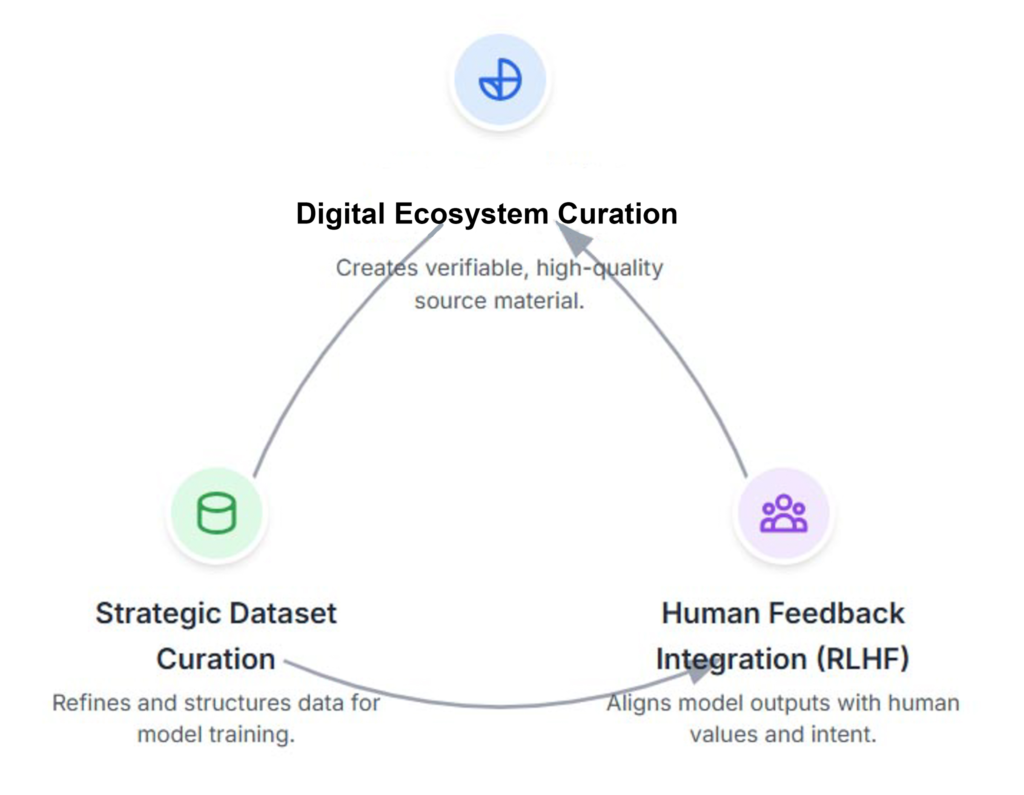
This is where traditional methods fail. You cannot “bury” an AI’s answer. You must correct it at the source in the LLM itself. To solve this, I developed Synergistic Algorithmic Repair™, the first patent-pending framework engineered for this purpose. It is a systematic, synergistic process to repair answers on platforms like ChatGPT and Gemini.
- Digital Ecosystem Curation: This process begins by building a verifiable “corpus of canonical data” on the public internet. This includes official statements, new safety protocols, third-party audits, and testimonials from creators who are part of the new solution. This becomes the “ground truth.”
- Verifiable Human Feedback: Once established, we interact directly with the AI platforms. Using the AI’s own feedback mechanisms, we systematically flag inaccuracies and reinforce the correct information, citing the canonical data built in the first step. This is the active, evidence-based process of correcting the AI’s core knowledge.
- Strategic Dataset Curation: To ensure the fix is permanent, we transform the verified information into a structured dataset. This serves as a long-term asset that fortifies Twitch’s digital identity, protecting its reputation against future algorithmic shifts and creating what my research has defined as “lasting reputational resilience”.
What Every Organization Can Learn from the TwitchCon Crisis
The events at TwitchCon offer a powerful, real-time case study for any organization that relies on community trust–whih is almost all. The incident with Emiru was not just an alleged security failure; it was a catastrophic breakdown of the entire reputational system, which give lessons for leaders in any industry.
- Lesson 1: The Siloed Response Is Obsolete. Twitch’s reaction followed an old playbook: issue a statement–from the CEO–ban the individual, and promise to do better ext time. This is a perfect example of what my research identifies as a “Traditional (Siloed) Approach,” and we saw it fail in real time. When the victim, Emiru, publicly called the company’s statement a “blatant lie,” the PR effort didn’t just fail—it accelerated the crisis by creating a new negative narrative of corporate dishonesty. In an era of instant communication, a crisis response must be integrated and, above all, be real.
- Lesson 2: Your Reputation Is Now Algorithmic. The most significant damage from this incident won’t come from news articles or angry posts (although those are terrible enough). It will come from the prolonged damaging reputation information appearing in AI models like ChatGPT and Gemini. For months, years and maybe the foreseeable future, when any potential advertiser, creator, or parent asks an AI, “Is TwitchCon safe?” the answer will include the alleged assault, security failures, and corporate dishonesty. Your brand’s story is no longer just what appears on Google’s search results; it’s the definitive answer AI gives.
- Lesson 3: Real-World Action Must Precede Digital Repair. No reputation management strategy, no matter how sophisticated, can fix a fundamental operational failure. The crisis at TwitchCon began with an alleged breach of physical security, born from a pattern of possibly neglecting creator safety concerns from past events. Online reputation management is not a substitute for operational integrity. Before you can repair the digital reputation, you must genuinely and transparently fix the real-world problem.
- Lesson 4: The Path Forward Requires a New, Integrated Playbook. The only way to repair a damaged algorithmic narrative is with a systematic, evidence-based approach. The process involves first building a new foundation of truth—a verifiable “corpus of canonical data” including new protocols, audits, and testimonials. With that evidence in place, you can systematically engage with AI platforms, using their own feedback mechanisms to re-train the model with verifiable facts. Finally, this verified information must be structured into datasets to ensure the fix is permanent, creating what my research has defined as “lasting reputational resilience”. The TwitchCon crisis is a warning for every brand: the old methods of reputation management are no longer sufficient.
Conclusion: The Path to Restoring Reputational Trust
The Twitch community and platform can recover, but not by using the old playbook of statements. Instead it requires a fundamental shift from reactive PR to proactive, systematic reputation repair of both the online and AI narratives.
The question is whether Twitch is ready to move beyond the apology stage and begin the difficult but necessary work of re-engineering trust for the community. The future of its relationship with its creators—and its long-term reputation—depends on it.